
Understanding the psychology behind gambling decisions and their impact on behavior
The Motivations Behind Gambling
Understanding why individuals engage in gambling is crucial to comprehending the overall psychology behind their decisions. Many people are drawn to gambling for the thrill and excitement it provides. This excitement often stems from the anticipation of potential rewards, which can create a euphoric feeling that reinforces future gambling behavior. For some, this excitement can be akin to a rollercoaster ride, where the highs of winning can feel exhilarating, while the lows are often pushed aside in favor of chasing that next win. New players can explore opportunities at casea.casino to enhance this thrilling experience.

Moreover, social interaction plays a significant role in motivating gambling behavior. Many individuals enjoy the communal experience of gambling, whether at a casino or through online platforms. The camaraderie of being surrounded by others who share the same interests can enhance the overall enjoyment. Social influences, including peer pressure or simply wanting to fit in, can drive individuals to partake in gambling activities, even if they initially had no intention to do so.
Additionally, the desire for financial gain cannot be overlooked. Many individuals believe that gambling offers a quick and easy way to make money. This perception is often fueled by stories of big winners, which can lead to a distorted view of the odds involved. People may overlook the fact that gambling is inherently risky, focusing instead on the possibility of financial independence that a substantial win can provide. This belief can lead to continued participation, even in the face of repeated losses.
The Cognitive Biases at Play
Cognitive biases play a pivotal role in gambling decisions, often clouding judgment and leading to irrational choices. One of the most notable biases is the “gambler’s fallacy,” where individuals believe that past outcomes affect future probabilities. For instance, a player may feel that because a particular slot machine hasn’t paid out recently, it’s “due” for a win. This misunderstanding of randomness can lead to poor decision-making and an increased likelihood of chasing losses.
Another common cognitive bias is the illusion of control, where gamblers believe they have more influence over the outcome of games than they actually do. This is particularly evident in skill-based games, where players may think their decisions can significantly impact the game’s result. This false sense of agency can lead to overconfidence and a willingness to gamble more, disregarding the underlying odds that often favor the house.
The role of confirmation bias also cannot be ignored in the context of gambling decisions. Gamblers often remember their wins while conveniently forgetting their losses, reinforcing the belief that they are skilled or lucky. This selective memory can create a false narrative that encourages further gambling, as individuals focus on their successes rather than the overall trend of their gambling behavior. Understanding these cognitive biases is essential for recognizing the psychological pitfalls of gambling.
The Emotional Impact of Gambling
The emotional rollercoaster associated with gambling can have profound effects on behavior. Winning can create feelings of joy, excitement, and empowerment, reinforcing the desire to gamble. However, losses can trigger a wide range of negative emotions, such as disappointment, frustration, and even despair. These emotional swings can lead to a cycle where individuals continue to gamble in an attempt to recapture their previous highs or alleviate their lows.
For many, the temporary relief provided by gambling can act as a coping mechanism for dealing with stress or life challenges. The escapism that gambling offers can be particularly appealing, allowing individuals to forget their worries, if only for a moment. However, this reliance on gambling for emotional relief can lead to problematic behavior and, in some cases, gambling addiction. Understanding this emotional aspect can help identify individuals at risk and provide them with the necessary support.
The social stigma surrounding gambling, especially when it leads to addiction, can further complicate emotional outcomes. Many individuals feel ashamed or embarrassed about their gambling habits, leading them to hide their behaviors from friends and family. This isolation can exacerbate negative emotions, creating a vicious cycle where gambling becomes both a source of relief and a source of distress. Addressing these emotional impacts is vital for fostering healthier gambling behaviors.
The Role of Environment and Accessibility
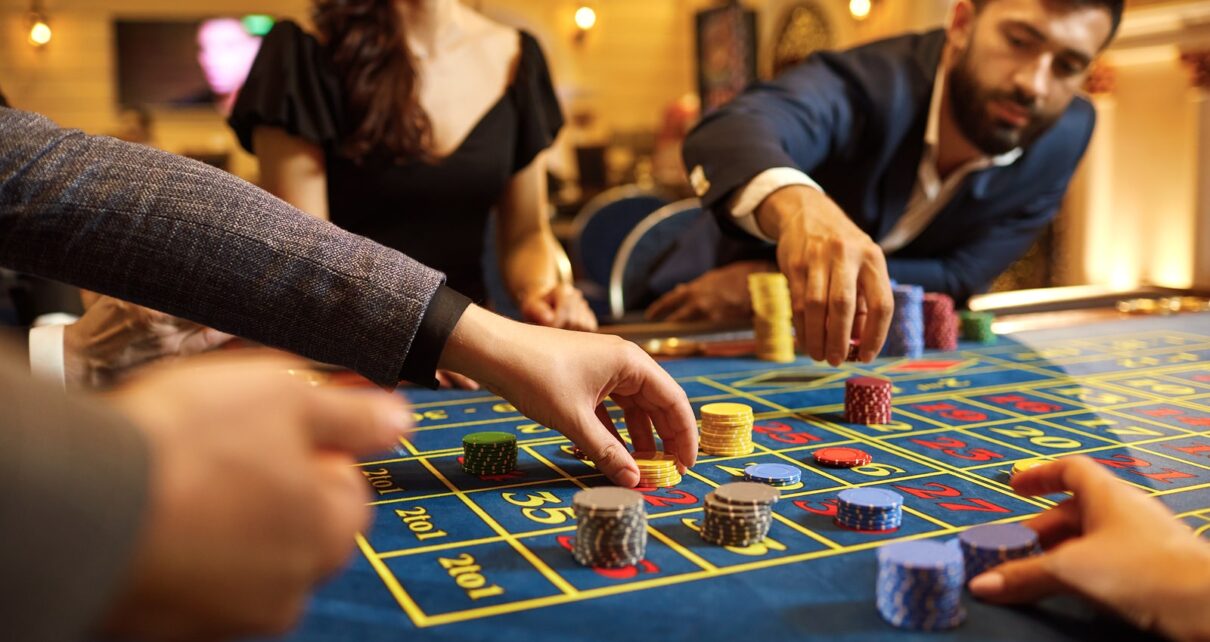
The environment in which gambling takes place significantly influences decisions and behavior. Physical casinos create a sensory-rich experience designed to immerse players in a world of entertainment. From the sounds of slot machines to the vibrant lights and festive atmosphere, these environments stimulate excitement and encourage prolonged play. The design and layout of these spaces often guide players toward certain games, subtly nudging them to gamble more than they initially intended.
Online gambling has transformed the landscape, making it more accessible than ever. Players can now gamble from the comfort of their homes, 24/7, which can increase the frequency and amount of money wagered. The convenience of online platforms can lead to impulsive decisions, as the barrier to access is significantly lowered. Players may find themselves gambling in moments of boredom or stress, which can further complicate their relationship with gambling.
The presence of promotional offers and bonuses can also heavily influence gambling behavior. Online casinos often use attractive welcome packages and ongoing promotions to entice players to gamble more. These marketing strategies exploit psychological triggers, such as the fear of missing out, compelling individuals to take risks they might not otherwise consider. Understanding how environmental factors shape gambling behavior is crucial for developing healthier gaming habits.
Casea: A New Era in Online Gambling
Casea represents a modern approach to online gambling, launching in 2023 with the aim of providing an exceptional gaming experience. With a wide selection of thousands of slots from top providers, Casea caters to various preferences, ensuring that players find games that resonate with them. The appeal of their extensive library lies not just in quantity but in the quality and variety of offerings, creating an engaging platform for both new and seasoned players.
New users are welcomed with an enticing package that includes a 250% bonus and 350 free spins, highlighting the site’s commitment to attracting players while keeping the experience enjoyable. Furthermore, Casea places a strong emphasis on user-friendly navigation, seamless deposits, and withdrawals, and responsive customer support, all of which contribute to a satisfying gambling environment. These features underscore the importance of accessibility and convenience in online gaming.
Ultimately, Casea is more than just a platform for gambling; it is a space designed to enhance the overall gaming experience. By understanding the psychology behind gambling decisions, Casea aims to foster responsible gaming habits while providing entertaining options. This approach reflects a growing awareness of the need for balance and responsibility in the ever-evolving world of online gambling, making Casea a unique player in the industry.